The KoreaBox LedgerSeoul → Your Door

02 — Korean food culture

Why jajangmyeon keeps showing up in Korean dramas

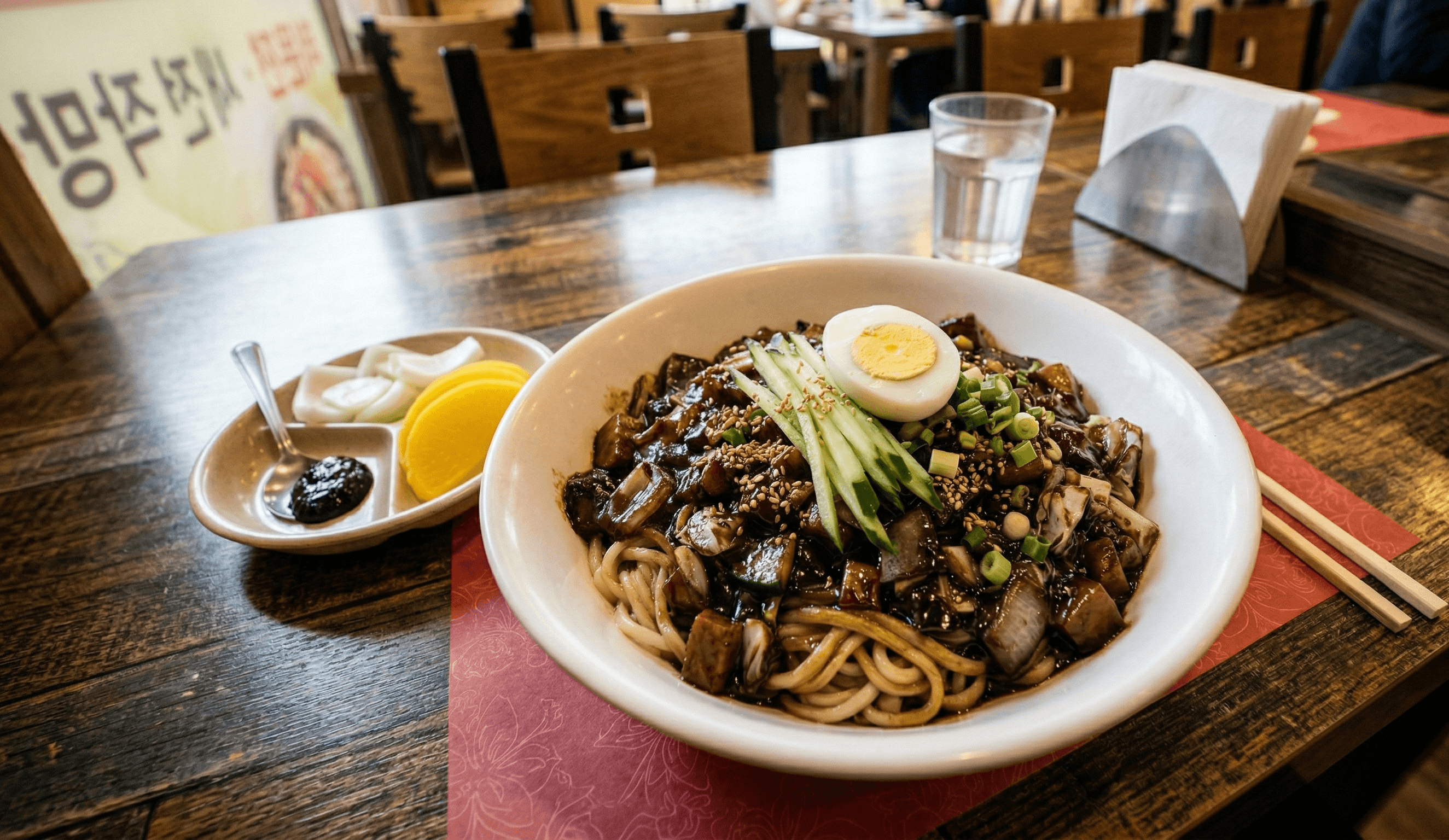
You have probably seen this bowl before: dark noodles, yellow pickled radish, chopsticks moving fast. In Korean dramas and movies, jajangmyeon often works like an instant mood: delivery food, a late night, a shared table, or a familiar comfort meal.

A warm scene of jajangmyeon being eaten with chopsticks.

First, what is jajangmyeon?

Jajangmyeon is Korean-style black bean noodles. Think of it like Chinese takeout in American TV: Chinese-rooted, but shaped into something completely local. The dish grew out of Chinese migrant communities around Incheon during Korea's treaty-port era, when zhajiangmian was adapted into something new. Over time, it became fully localized in Korea: darker sauce, chewy noodles, fast delivery, and usually a side of yellow pickled radish.

Field notes

Why it works so well
on screen.

№ I

It is everyone's food

Jajangmyeon has long felt ordinary and accessible. Students, workers, families — it is the meal people default to when they just need to eat without thinking twice.

№ II

It needs no setup

One phone call, one delivery. A character can order it, eat, and get back to life. No cooking, no restaurant scene, no occasion required.

№ III

It fills a table instantly

A few bowls on a table make friends, coworkers, or family look close without needing to explain who they are to each other.

№ IV

The viewer already knows the feeling

That is the real reason it works. Many Korean viewers have ordered this exact meal on a tired evening or a moving day. The screen just reminds them.

It used to feel cheap.
Now it feels nostalgic.

Jajangmyeon has long carried a common-food image in Korea. Prices and habits change, but the emotional shorthand remains: it still feels like the kind of food people order on a busy day, after a move, during a late night, or when they want something easy and familiar.

The newer craving: malatang

If jajangmyeon is the older familiar bowl, malatang is the newer craving in many younger Korean food scenes. That does not mean one replaced the other. It just makes the next question more interesting: why did spicy, customizable malatang become such a thing?

Hot bowl on screenShelf-stable version at home

Want the shelf version?

You cannot pack a hot delivery bowl into an overseas box, but Korean shops do sell shelf-stable versions: instant jajangmyeon, jjajang ramen, cup noodles, black-bean sauce, and pantry items you can keep at home. KoreaBox can help you buy those Korean grocery items from Korean stores.

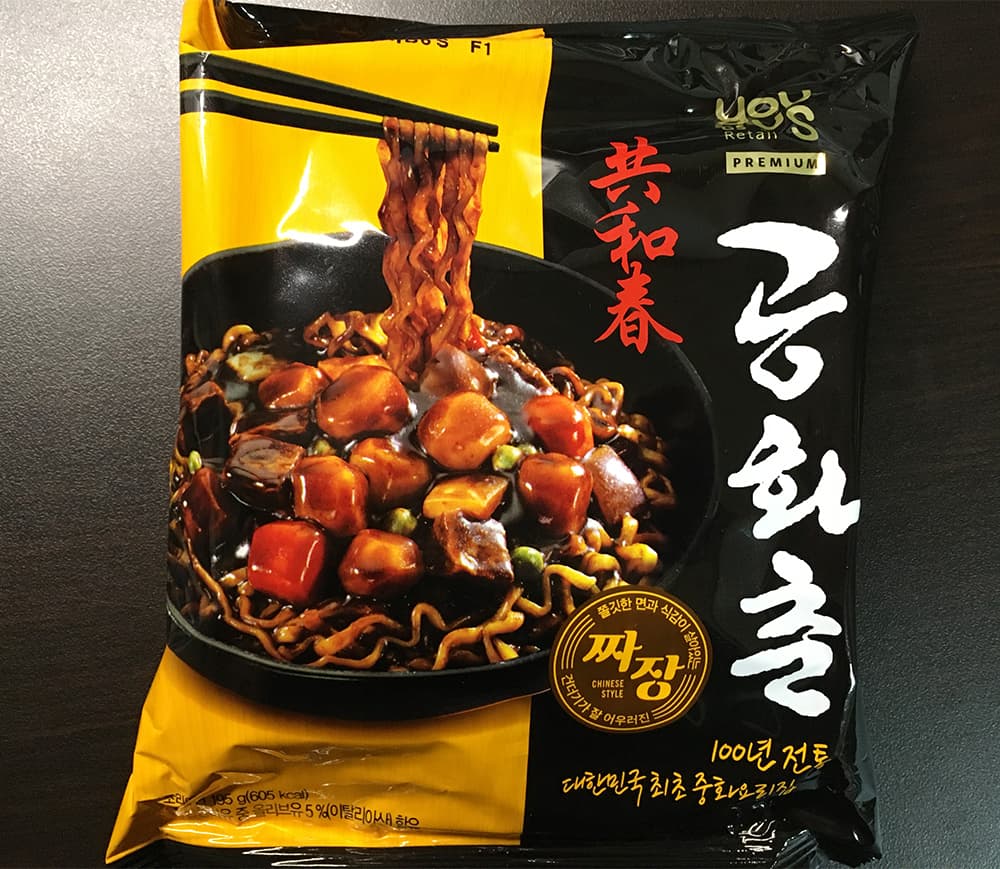
Gonghwachun instant jajangmyeon package

Not-spicy comfort pick

Gonghwachun (공화충) instant jajangmyeon

The closer pick if you want an instant version that feels more like real jajangmyeon: rich black-bean flavor, mellow comfort, and no need to chase heat.

Availability can change by Korean store. KoreaBox can help check shippable listings when you order.

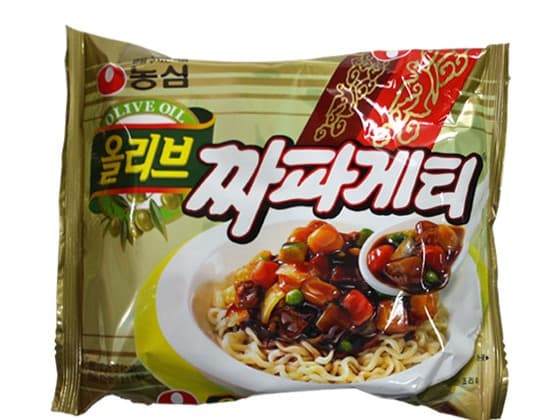
Chapagetti instant jajang ramen package

Classic instant pick

Chapagetti (짜파게티)

Not as close to a restaurant bowl as Gonghwachun, but it becomes a strong base when you use it for the spicy upgraded version in the next guide.

Availability can change by Korean store. KoreaBox can help check shippable listings when you order.

Next guide

Next: the spicy Chapagetti version

Next, we'll look at Yoon Nam-no's spicy Chapagetti upgrade. Chapagetti is not the closest instant match on its own, but with the right add-ins, it becomes a much better bowl.
Find Korean jajang noodles →